

Your bathroom is about to become your favourite healing sanctuary, and it all starts with a simple, shallow soak. We know those first few days after birth can feel incredibly tender, especially when you’re navigating the stinging of stitches or the persistent discomfort of haemorrhoids. It’s completely normal to feel a bit overwhelmed by the physical toll of labour, but you don't have to just grin and bear it while you wait for your body to mend. You might be asking yourself, what is a sitz soak and how is it used to make this transition a little smoother?
We agree that you deserve a recovery that feels as gentle as possible. This guide will show you how a sitz bath can transform your postpartum journey from a painful hurdle into a soothing, restorative ritual that may help support your body’s natural healing process. We’ll walk you through the many benefits, provide a step-by-step guide on preparation, and share the best techniques to ensure your perineal care is both safe and effective. It's time to take the guesswork out of your recovery and find the relief you’ve been looking for.
Key Takeaways
- Understand what is a sitz soak and how is it used to effectively soothe the perineal area and manage post-birth discomfort like stinging and soreness.
- Discover the gentle benefits of warm water therapy for relaxing your pelvic floor muscles and encouraging a more comfortable recovery journey.
- Compare the practical differences between using a standard bathtub and a convenient over-the-toilet kit to find the best fit for your home and mobility.
- Learn the proper preparation techniques, including how to safely clean your basin and the ideal water temperature for a restorative, 15-minute soak.
- Find out why the care you take after your soak, such as gentle drying and choosing breathable postpartum underwear, is vital for maintaining skin health and comfort.
Understanding the Sitz Bath: A Gentle Ritual for Postpartum Recovery
The days following birth are a whirlwind of love, exhaustion, and a very real sense of physical tenderness. Your body has just performed an incredible feat, and now it's in the delicate process of knitting itself back together. This is where the sitz bath comes in. It’s a time-honoured practice that focuses specifically on the perineal area, providing targeted relief where you need it most. If you're currently navigating the early days of recovery, you've likely heard the term mentioned by midwives or in mum groups. You’re probably curious: What is a Sitz Bath? At its simplest, it involves sitting in shallow, warm water for a short period, usually between 10 and 20 minutes. The name itself is a nod to its function, originating from the German word "sitzen," which literally means to sit.
Understanding what is a sitz soak and how is it used is a total game changer for your postpartum comfort. It’s specifically designed to cleanse and soothe the perineum without the need for a full, deep bath. Deep baths can often feel like a massive physical chore when you’re sore, exhausted, or dealing with limited mobility. For many Australian mums, the sitz bath becomes a non-negotiable part of their daily routine. It’s a reliable way to manage swelling, ease the discomfort of haemorrhoids, and calm the stinging sensations that often follow a vaginal delivery.
Sitz Bath vs. Regular Bath: What is the Difference?
While a standard bath is lovely for a long soak, a sitz bath is a much more intentional tool for recovery. Because it uses significantly less water, it focuses the warmth and any added ingredients, like a specialised Postpartum Sitz Bath Soak, directly on the pelvic floor. This shallow approach is also much safer if your mobility is low after birth. You don't have to worry about the effort of lowering yourself into a deep tub or the risk of slipping while submerged. You can use a dedicated kit that fits right over your toilet or simply fill your bathtub with just a few centimetres of water. It’s efficient, effective, and much easier to manage between nappy changes and feeds.
Why the Fourth Trimester is the Perfect Time for a Soak
Labour is a marathon, but the recovery period is just as significant. Your body deserves more than just a quick shower; it needs a dedicated ritual that acknowledges the work it has done. Taking 15 minutes for a sitz soak provides a rare moment of peace in the middle of the newborn haze. Beyond the physical benefit of supporting the natural healing of delicate tissues, it offers a vital mental reset. It’s a quiet space where you can breathe, reflect, and practice a bit of much-needed self-care. This ritual helps transform a clinical necessity into a beautiful moment of restoration, helping you feel more like yourself again.
Why Australian Mums Swear by Sitz Soaks After Labour
The first few trips to the bathroom after giving birth can feel like a genuine challenge. That sharp, stinging sensation during urination is something many new mums dread, and it can make you feel quite anxious about your basic hygiene. This is exactly where understanding what is a sitz soak and how is it used becomes so valuable. By immersing yourself in shallow, warm water, you're giving those tender tissues a chance to relax. The warmth helps to soothe the immediate fire of the sting, making those early postpartum days much more manageable and less daunting.
Beyond the immediate relief, a sitz soak is a brilliant way to maintain hygiene when your body feels its most vulnerable. When even the softest toilet paper feels like sandpaper against your skin, wiping isn't just uncomfortable; it's painful. A gentle soak keeps the area clean without the need for friction, reducing the risk of irritation. It also helps to relax the pelvic floor muscles, which have been under immense pressure for months. This relaxation can significantly reduce the overall feeling of "heaviness" or pressure in your nether regions, helping you feel a little more like yourself.
Soothing Perineal Discomfort and Stitches
If you've had stitches or experienced minor tears, you know the persistent throbbing feeling that sets in once the initial adrenaline of birth wears off. Warm water is a natural way to increase local circulation, which is essential for healthy tissue repair. This boost in blood flow keeps the area supple and may help support the body's natural healing process. It also helps to gently dissolve any dried blood or discharge that might be tugging uncomfortably at your stitches. To get started safely, you can check out this guide on How to Prepare Your Sitz Bath to ensure your setup is hygienic and comfortable from the very first soak.
A Natural Solution for Postpartum Haemorrhoids
Let’s talk about the reality no one mentions at the baby shower: postpartum haemorrhoids. They are incredibly common, yet many women feel shy about seeking help for the itching and pressure. The intense effort of labour often leaves behind swollen veins that can make sitting or walking feel quite difficult. A warm sitz soak is a non-invasive, chemical-free way to find relief. The warmth encourages the veins to shrink and calms that persistent, distracting itch. It’s a simple act of self-care that makes a massive difference in your daily comfort. Many women find that adding a specialised Postpartum Sitz Bath Soak to the water elevates the experience, turning a necessary treatment into a soothing, spa-like moment of recovery.
How to Prepare Your Sitz Bath: Bathtub vs. Over-the-Toilet Kits
Choosing the right method for your sitz bath is all about what feels safest and most comfortable for your body right now. Every birth story is different, and your physical needs during the first week of recovery might change as you gain more mobility. You might be standing in your bathroom wondering what is a sitz soak and how is it used in a practical, everyday sense. The first and most important step is hygiene. Whether you’re using your family bathtub or a dedicated portable basin, you must ensure it has been thoroughly cleaned with a gentle, non-irritating disinfectant before every single use. This simple step is vital for keeping your delicate perineal area safe from unwanted bacteria.
Once your tub or basin is sparkling clean, it's time to focus on the water itself. You don't need a lot of water to get the job done. Aim for a water depth of about 7 to 10 centimetres, which is just enough to ensure your perineum is fully submerged when you sit down. The temperature is the next critical factor. The water should be warm and soothing to the touch, but never hot or scalding. A good rule of thumb is to test it with your wrist, just as you would for a baby’s bottle. If it feels comfortable and relaxing on your wrist, it’s ready for your soak. If you're looking to enhance the experience, this is the perfect time to stir in a specialised Postpartum Sitz Bath Soak until it's completely dissolved.
The Bathtub Method: Simple and Accessible
If you already have a bathtub at home, this is often the most straightforward way to start your recovery ritual. It doesn't require any extra equipment, which is a win when you’re already managing the logistics of a newborn. Simply fill the bottom of the tub with your warm water. To stay comfortable and avoid putting too much pressure on your hips, keep your legs bent or drape them over the side of the bath. It’s also a good idea to ensure the bathroom is nice and warm before you start. You don't want to catch a chill while you're trying to relax and heal.
Using a Portable Sitz Bath Kit
For many mums, especially those recovering from a C-section or a particularly intense vaginal birth, lowering yourself into a deep bathtub can feel like a massive physical challenge. This is where a portable sitz bath kit becomes a lifesaver. These kits consist of a plastic basin that fits securely over your existing toilet seat, allowing you to sit down just as you normally would. This is much easier on your core muscles and pelvic floor. These kits often feature clever vents at the back to prevent overflow and may include a bag and tubing for a continuous, gentle flow of fresh water over the area.
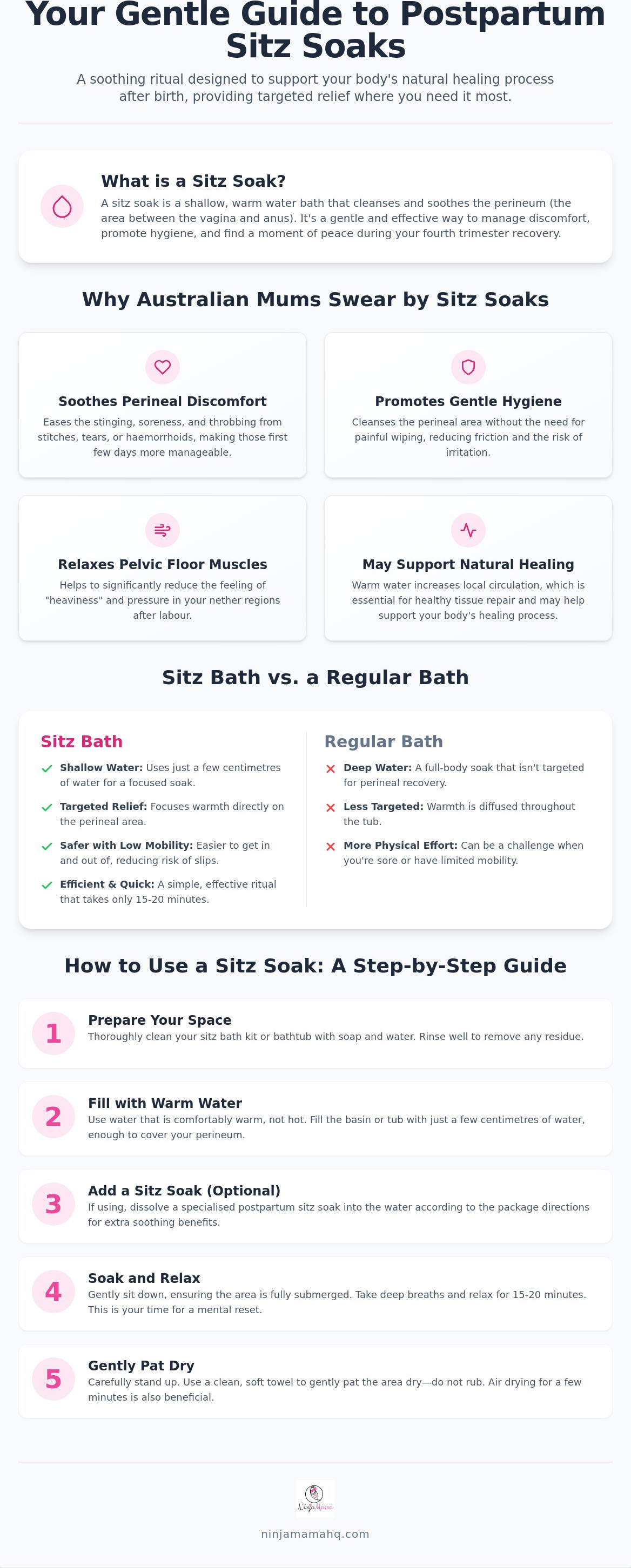
The Best Way to Use a Sitz Soak: A Step-by-Step Guide
Setting up your recovery space is the first step toward feeling like yourself again. Before you even turn on the tap, prepare your environment so you can move slowly and mindfully. Keep a clean, plush towel within arm’s reach and lay out a fresh pair of postpartum underwear so they are ready the moment you step out. If you’re still a little unsure about what is a sitz soak and how is it used most effectively, think of it as a warm hug for your most sensitive areas. It is a dedicated window of time where your only job is to sit, breathe, and let the water do the work.
Once your basin or shallow tub is filled with warm water, add your chosen soak ingredients and stir them gently until they are completely dissolved. Carefully lower yourself into the water, ensuring your perineum is fully submerged. Now comes the best part: relax. For the next 10 to 20 minutes, let the warmth ease your discomfort and quiet your mind. When your time is up, stand up slowly to avoid any lightheadedness. Instead of rubbing the area, which can irritate stitches or sensitive skin, use a clean, soft towel to gently pat the area completely dry. This keeps the skin healthy and prevents any unwanted moisture from lingering.
Choosing the Right Sitz Soak Additives
While plain warm water is certainly effective, many women find that adding a specialised Ninja Mama Sitz Soak significantly enhances the soothing experience. We recommend looking for organic, plant-based ingredients that work in harmony with your body. Epsom salts are a wonderful base for reducing swelling, while botanicals like lavender and calendula are commonly used by postpartum mothers for their calming properties. Witch hazel is another classic choice, often praised for its cooling and astringent qualities that provide a welcome relief for haemorrhoids and tender tissues. Using these natural elements turns a simple soak into a premium self-care ritual.
Temperature and Duration: Getting it Right
Finding the right balance of heat and time is essential for a safe recovery. To test the water, use your wrist rather than your hand; it should feel like a perfectly brewed, warm cup of tea. The ideal temperature for your soak is between 37 and 40 degrees Celsius. Don't feel the need to stay in until the water goes cold. Most experts agree that 15 minutes is usually the sweet spot for maximum relief without over-softening the skin. This duration is long enough to boost circulation and soothe stinging, yet short enough to fit into your busy newborn schedule.
Ready to transform your recovery into a restorative ritual? You can shop our organic Sitz Soak here to start your healing journey with the care you deserve.
Elevating Your Recovery: What to Do After Your Sitz Bath
Your recovery doesn’t end the moment you step out of the water. While we’ve explored what is a sitz soak and how is it used to provide immediate relief, the care you take in the minutes following your bath is just as vital for long-term healing. Think of your soak as the foundation of a broader self-care ritual. By layering your treatments, you can extend that feeling of comfort well into your day. Many women find that integrating their soak into a comprehensive postpartum recovery kit routine helps them stay on top of pain management and hygiene without feeling overwhelmed by the process.
The transition from the warm water to your daily clothes is a critical window. Moisture is the enemy of healing skin, especially if you have stitches or are managing the delicate repair of a tear. Trapped dampness can lead to irritation or slow down the knitting of tissues. Ensuring you are completely dry before dressing is a simple but powerful way to protect your body. This is also the perfect time to apply secondary soothing treatments that work in harmony with the increased circulation your soak has provided. It’s all about creating a system that supports your body’s natural ability to mend itself.
Drying Gently and Safely
How you dry yourself is just as important as the soak itself. Your perineum is incredibly tender right now, so you must never rub the area with a towel. Instead, use a very soft, clean towel and a gentle patting motion to lift away the water. If you find that even a light touch is too much to bear, you can use a Ninja Mama Peri Bottle filled with cool water to give yourself one final, refreshing rinse before you dry. Some mums even prefer to rest on a clean towel and air dry for a few minutes. It might feel a bit unusual, but giving your skin that breathing room can be remarkably soothing.
Protecting and Cooling the Perineum
Once you are dry, you can layer on extra support to keep inflammation at bay. Applying Ninja Mama Perineal Ice Packs immediately after your warm soak can help reduce any lingering swelling and provide a crisp, cooling sensation. For ongoing relief throughout the day, try adding a few drops of Ninja Mama Organic Witch Hazel to a pad liner. This classic botanical is commonly used by postpartum mothers for its gentle, astringent properties. Finally, slip into some stretchy, breathable postpartum underwear. Choosing fabrics that won't tug or irritate your skin ensures that your hard-earned healing continues undisturbed while you focus on your new arrival.
Start Your Gentle Healing Ritual Today
Embracing a sitz bath is one of the kindest things you can do for your body during the fourth trimester. By understanding what is a sitz soak and how is it used, you've equipped yourself with a practical, soothing tool to manage the stinging, pressure, and tenderness that often follow birth. Whether you prefer the simplicity of the bathtub or the convenience of an over-the-toilet kit, the goal is the same: to give your perineal area the dedicated care and circulation it needs to mend. Remember that the magic often happens in the layers; following your soak with gentle pat-drying and a cooling therapy pack can provide that extra level of comfort you deserve.
Ninja Mama is a brand designed by a mum for mums, so every detail of our range is rooted in genuine experience and care. We are incredibly proud to be trusted by thousands of Australian mums who value our commitment to organic and natural ingredients. Our specialised soak is crafted to turn a necessary recovery step into a premium self-care moment that fits perfectly into your new life with bub. You don't have to navigate this journey alone; we’re right here with you.
Shop the Ninja Mama Organic Sitz Soak for your recovery and take the next step toward a more comfortable, confident postpartum experience. You're doing an amazing job, and your body is capable of incredible things.
Frequently Asked Questions
Is a sitz bath safe if I have stitches after birth?
Yes, taking a sitz bath is generally considered safe and very helpful if you have stitches or minor tears. The warm water helps keep the area clean without the need for painful wiping, which reduces the risk of irritation around the wound. Many midwives suggest them to help support the natural healing process. Just be sure to pat the area completely dry afterward to keep the skin healthy and prevent any unwanted moisture from lingering.
How many times a day can I take a sitz bath?
For the first week of postpartum recovery, it is commonly recommended to take a sitz bath two to four times per day. This frequency provides consistent relief from stinging and helps manage swelling during the most tender phase. As you start to feel more comfortable and your healing progresses, you can reduce this to once or twice daily. You can continue these rituals until you no longer feel the need for that extra soothing support.
Can I use Epsom salts in my postpartum sitz soak?
Yes, you can certainly use Epsom salts, as they are a brilliant way to help reduce swelling and soothe tired muscles. Many women find that a specialised postpartum sitz bath soak containing magnesium and organic botanicals like lavender or calendula offers a more premium, restorative experience. It is always a good idea to check with your healthcare provider first if you have had a significant tear or a particularly complex surgical repair.
How long should I wait after giving birth to start sitz baths?
Most mothers can begin taking sitz baths about 24 hours after a vaginal delivery. This gives your body a little time to settle immediately after the marathon of birth. If you had a more complicated delivery or a specific medical intervention, your midwife or obstetrician might give you a slightly different timeline. Always wait until you feel steady and strong enough to sit comfortably and safely in the water without feeling lightheaded.
What is the best temperature for a sitz bath?
The ideal temperature for a sitz bath is warm and soothing, typically between 37 and 40 degrees Celsius. It should feel like a comfortable, warm cup of tea rather than a hot bath. Water that is too hot can actually increase swelling or cause discomfort to sensitive, healing tissues. Testing the water with your wrist is the most reliable way to ensure it's just right for your delicate skin and won't cause any irritation.
Do I need a special kit, or can I just use my bathtub?
You don't necessarily need a special kit; your standard bathtub works perfectly well with just a few centimetres of water. However, many mums find that an over-the-toilet basin is much easier to use, especially when mobility is limited. If you're wondering what is a sitz soak and how is it used in a small space, these portable kits are a fantastic, space-saving solution that requires less bending and effort during those first few days.
Can I take a sitz bath after a C-section?
Yes, you can take a sitz bath after a C-section to help manage postpartum haemorrhoids or general perineal discomfort. It's important to ensure the water level stays low enough that it doesn't submerge your abdominal incision. Since your core might feel weak, using an over-the-toilet kit is often much safer and more comfortable than trying to lower yourself into a deep bathtub while your surgical scar is still in the early stages of healing.
What should I do if my sitz bath causes more pain?
If your sitz bath causes an increase in pain, stinging, or any unusual discomfort, you should stop the soak immediately and rinse with plain, cool water. While the warm water is meant to be soothing, every body responds differently to heat and additives. It is vital to contact your midwife or GP if you notice signs of infection, such as increased redness, an unusual odour, or a fever. Always listen to your body's signals.

Article by
Louise Beever
Louise Beever is the founder of Ninja Mama, an Australian postpartum recovery brand focused on creating premium, practical recovery essentials for new mothers. Since launching Ninja Mama in 2018, Louise has worked closely with thousands of postpartum women and healthcare retailers to better understand the realities of recovery after birth. Her work focuses on postpartum preparation, recovery support, and improving awareness around the fourth trimester.
Remember Mamas
The information provided in this article is intended for general educational and informational purposes only and should not be considered medical advice. Always seek guidance from your doctor, midwife, lactation consultant, or qualified healthcare professional regarding your individual circumstances, pregnancy, birth, or postpartum recovery.