

You finally managed to get bub down for a nap, but as you walk back to the lounge, you feel completely breathless and your heart starts racing. It's so easy to tell yourself that this bone-deep exhaustion is just a standard part of the new mum package. You might even feel a bit of anxiety, wondering why you don't have the energy to stay present with your little one. We understand that heavy feeling, and we're here to tell you that it might not just be the lack of sleep.
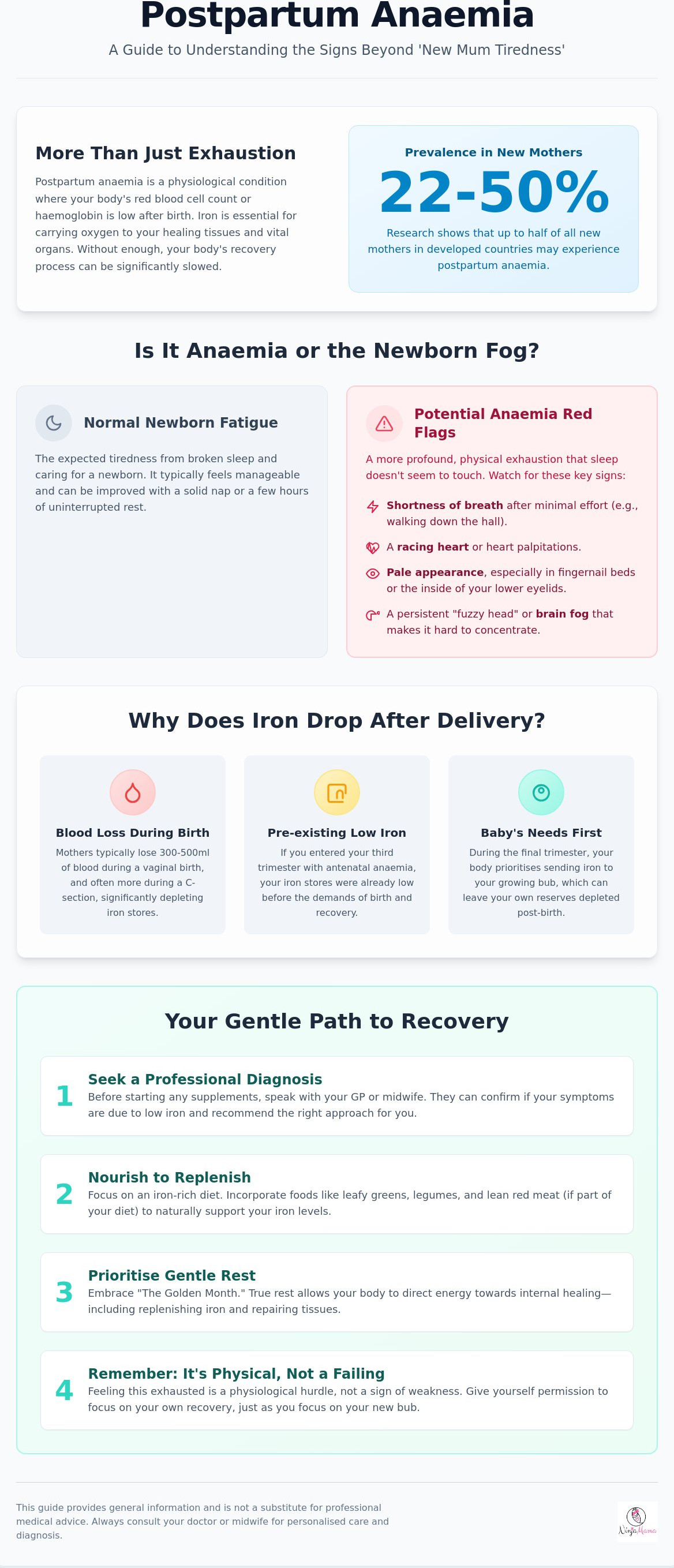
When looking at postpartum anaemia explained: symptoms can often be mistaken for the typical fog of early motherhood. With research showing that postpartum anaemia affects between 22% and 50% of women in developed countries, you're certainly not alone in this experience. This guide will help you understand the difference between normal newborn tiredness and a physiological depletion of iron. We'll provide a clear list of signs to discuss with your midwife and share practical, supportive ways to rebuild your energy levels so you can focus on your new bub with confidence.
Key Takeaways
- Learn how to identify physiological depletion with our guide to postpartum anaemia explained: symptoms that go beyond standard new mum tiredness.
- Understand the difference between normal sleep deprivation and anaemic fatigue, including why shortness of breath is a major indicator that your iron levels need attention.
- Gain clarity on why a professional diagnosis is essential before starting supplements and how to naturally support your levels with iron-rich nutrition.
- Explore how prioritising physical comfort and rest during "The Golden Month" allows your body to focus its energy on internal healing and iron replenishment.
- Understand that extreme fatigue is a physical hurdle rather than a personal failing, giving you the permission you need to focus on your recovery.
Understanding Postpartum Anaemia: More Than Just New Mum Tiredness
It is the most common thing in the world to feel completely wiped out after bringing a new life into the world. You expect the late nights and the broken sleep to take a toll. However, when we look at postpartum anaemia explained: symptoms aren't just about being a bit sleepy. Postpartum anaemia is a physical condition where your red blood cell count or haemoglobin levels are lower than they should be for optimal health after birth. Iron acts as a vital delivery driver for your body, carrying oxygen to your hard-working organs and your healing tissues. Without enough of it, your body simply can't repair itself as efficiently as it needs to.
A deeper understanding of Anemia in pregnancy and the postpartum period shows that your iron status before you even head into the delivery suite plays a massive role in how you feel once you're home with bub. Research from 2023 indicates that anaemia affects between 22% and 50% of women in developed countries. This means that if you're feeling a level of exhaustion that feels "wrong", you aren't imagining it. It's a very real physiological hurdle that many new mums face.
To better understand this concept, watch this helpful video:
Why Does Iron Drop After Delivery?
Most women lose between 300ml and 500ml of blood during a vaginal birth, and often significantly more during a C-section. This loss of blood during the third stage of labour is the primary reason iron levels plummet. If you struggled with antenatal anaemia during your pregnancy, you're starting your postpartum journey with your stores already running on empty. During that final trimester, your body actually prioritises your baby's iron needs over your own. It's nature's way of looking after the little one, but it can leave you feeling quite vulnerable and depleted.
The "Fourth Trimester" Context
The first six weeks after birth are a critical recovery zone for iron replenishment. You aren't just "getting over" a big event. Your body is busy healing a wound the size of a dinner plate inside your uterus where the placenta was once attached. This internal healing process requires a massive amount of energy and oxygen, both of which rely on healthy iron levels. To see how this fits into the bigger picture of modern motherhood, you can explore The State of Postpartum 2026 for broader context on how we support recovery today. Recognising that your fatigue is physiological, not just "part of being a mum", is the first step toward reclaiming your energy.
Recognising the Signs: Common Postpartum Anaemia Symptoms
It is incredibly easy to dismiss a fuzzy head and heavy limbs as part of the standard new mum territory. You expect to be tired, but there is a specific kind of exhaustion that sleep simply doesn't touch. When we look at postpartum anaemia explained: symptoms can feel like you're wading through treacle just to get from the nursery to the kitchen. You might feel a strange sense of puffiness or find yourself catching your breath after a simple walk down the hallway. This isn't just about needing a nap. It's about your body struggling to move oxygen to your vital organs and healing tissues.
A 2024 academic review on Postpartum anemia management highlights that these physical signs are often the first indicators that your iron stores haven't recovered from birth. Recognising these red flags early is vital for your long term wellbeing and your ability to enjoy those early weeks with bub. If you find that a two hour nap leaves you feeling just as drained as before you closed your eyes, it is time to look a little closer at what your body is trying to tell you.
Physical Red Flags to Watch For
Take a quick look in the mirror when you have a spare second. Are your fingernail beds or the inside of your lower eyelids looking a bit pale? These are classic physical indicators of low iron. You might also notice heart palpitations or a racing feeling in your chest while you're sitting perfectly still on the lounge. Dizziness is another major signal. If the room spins or you feel lightheaded when you stand up after a long feed, your blood volume and iron levels may be lower than they should be. These aren't just quirks of recovery; they are clear signs that your system is working overtime to keep up with basic demands.
The Emotional and Cognitive Toll
We often joke about "mummy brain" and losing our keys, but significant cognitive fog can actually be a symptom of poor oxygen delivery to the brain. Low iron levels are also closely linked to increased irritability and a higher risk of postpartum low mood. When you're anaemic, the mental load of motherhood feels ten times heavier because your brain isn't receiving the fuel it needs to function at its best. If you feel like you're losing your spark or struggling to focus on even the simplest tasks, trust your gut feeling. You know your "normal" better than anyone else. While you work on replenishing your stores, taking a moment for a tiny bit of self care can help ground you. Many mums find that using a labour and postpartum support oil roller provides a gentle, aromatic prompt to breathe deeply and stay present during those foggy moments.
Is it Anaemia or Just the Newborn Fog? How to Tell the Difference
Every new mum expects to feel a bit like a zombie in those first few weeks. Between the midnight feeds and the steep learning curve of caring for bub, sleep is often a distant memory. However, there is a clear line between the "newborn fog" and the physical depletion of iron. Normal newborn fatigue usually feels like a heavy cloud that lifts slightly after you manage a solid two-hour nap while someone else watches the baby. In contrast, anaemic fatigue feels like you have lead in your limbs; it is a constant, bone-deep drain that sleep simply doesn't fix.
When looking at postpartum anaemia explained: symptoms often include a level of exhaustion that feels disproportionate to your actual activity level. While the World Health Organization notes that Common anaemia symptoms like dizziness and fatigue are widespread, they shouldn't be ignored as "just part of the job". If you find yourself still feeling physically shattered and unable to function by week three or four, it is a sign that your body needs more than just a nap. In Australia, a haemoglobin level below 100 g/L in the weeks following birth is generally the clinical marker for anaemia.
The "Breathless" Test
One of the easiest ways to tell the difference is to monitor your breathing during light household movements. If you find yourself huffing and puffing just from walking to the nursery or if your heart rate stays elevated for several minutes after a simple task like changing a nappy, your oxygen levels might be low. This shortness of breath is rarely a feature of standard sleep deprivation. If you're ticking these boxes, reach out to your midwife or GP. They can easily organise a full blood count (FBC) to check your iron and haemoglobin levels, giving you the clarity you need to start your recovery.
Impact on Breastfeeding and Bonding
It is a common worry that feeling this drained will affect your milk supply or your connection with bub. While anaemia doesn't typically stop milk production, the sheer physical effort required to breastfeed while depleted can make the process feel insurmountable. You might feel a sense of "brain fog" that makes it hard to feel present during those quiet moments. Reassure yourself that your bond with bub isn't broken; your fuel tank is just empty. Many mums find that creating a gentle ritual, like sipping on lactation tea, provides a much-needed moment of calm and hydration while they focus on the rest required to refill their stores. Taking the pressure off yourself to be "up and about" is the kindest thing you can do for your recovery.
Practical Steps for Supporting Your Iron Levels and Recovery
Once you've had postpartum anaemia explained: symptoms such as that persistent, heavy-limbed exhaustion start to make a lot more sense. The good news is that while anaemia feels overwhelming, it is very manageable with the right support. Before you rush out to buy high-dose supplements, it is vital to get a formal diagnosis from your GP or midwife. Taking too much iron when you don't need it can cause its own set of digestive issues, so a quick blood test is the best way to ensure you're taking exactly what your body requires.
Recovery isn't just about a pill; it's about a holistic approach to your wellbeing. During this phase, your body needs rest more than it needs a return to the gym. Avoid heavy exercise until your iron stores are stable. Pushing through a workout when you're already depleted can actually delay your healing. Stick to gentle movements, like a slow stroll with the pram, and only when you feel up to it. If you ever feel like you might faint, stop immediately and sit down. Your body is in a season of replenishment, not performance.
Iron-Rich Nutrition for Busy Mums
Eating well when you have a newborn is a challenge, but focusing on Aussie staples can make it easier. Lean red meat is the most efficient source of haem iron, which your body absorbs easily. If you're plant-based, load up on leafy greens like spinach and kale, along with legumes and lentils. A quick postpartum breakfast of eggs on fortified cereal can provide a much-needed iron boost before the day gets away from you. To help your body absorb the iron in your steak or spinach, pair it with Vitamin C. A glass of orange juice or some sliced capsicum acts as a "key" that unlocks the iron, making it much more effective.
Many women also find comfort in traditional tonics during their recovery. Sipping on organic raspberry leaf tea is a common ritual, as it has been used for generations by mums for its mineral content and supportive properties during the postpartum period. It's a gentle way to stay hydrated while you focus on rebuilding your strength.
Working with Your Healthcare Team
Your six-week check-up is the perfect time to advocate for your health. Don't just say you're "tired"; be specific. Bring notes about your heart rate, any dizziness, or if you've felt breathless just walking down the hallway. Your GP can discuss whether oral supplements are enough or if an iron infusion might be a better path for a faster recovery. If you're looking for an easy, delicious way to support your body while breastfeeding, many mums love incorporating our Booby Booster organic lactation chocolate drink into their daily routine for a nutrient-dense treat that feels like a hug in a mug.
Gentle Healing: Creating a Supportive Recovery Environment
Recovery is systemic. When you reduce physical pain and discomfort, your body can finally stop being in defence mode and start focusing its energy on internal healing. This is particularly vital when you're dealing with iron deficiency. Now that you've had postpartum anaemia explained: symptoms like those racing heartbeats and heavy limbs are your body's way of asking for a total pause. We're here to help you create a sanctuary where that pause is actually possible. By managing the immediate physical demands of birth recovery, you give your system the space it needs to rebuild its iron stores.
Many cultures embrace the wisdom of "The Golden Month" or "Sitting the Month". This is a period where the new mum is protected from the outside world to focus entirely on rest and bonding. It means prioritising your own needs over hosting visitors or keeping up with household chores. It might feel a bit strange to say "no" to guests, but your iron replenishment depends on your ability to stay still. Even small adjustments, like reducing bathroom stress with a peri bottle, can maintain a sense of calm and hygiene without the physical strain. At Ninja Mama, we want to be your partner in making these un-glamorous parts of recovery much easier.
Reducing the Physical Load
Managing local discomfort is a huge part of your broader recovery. Using perineal ice packs helps manage swelling and pain, which means you can actually relax on the lounge rather than shifting around in discomfort. Similarly, having reliable postpartum disposable underwear is a non-negotiable for those first few weeks. It provides the security you need for heavy lochia without the added stress of laundry. When we consider postpartum anaemia explained: symptoms often serve as a physical boundary, reminding you to outsource the heavy lifting. For a complete checklist of what you might need, explore The Ultimate Postpartum Self Care Kit.
Nurturing the Nurturer
Hydration is your best friend right now. Keep a large bottle of water nearby at all times and aim for warm, easy-to-digest meals like soups or slow-cooked stews. These are gentle on your digestive system, which can sometimes be a bit sluggish if you're taking iron supplements. During those long, quiet nights when the fatigue feels particularly heavy, using a labour and postpartum support oil roller can provide a moment of sensory grounding. It's a tiny act of self-care that reminds you to breathe and stay present. You're doing a great job, Mama. Anaemia is a physical hurdle, not a reflection of your ability as a parent. Take the time you need, ask for help, and be gentle with yourself as you heal. Help is always available, and you don't have to do this alone.
Reclaiming Your Energy and Confidence
You now have the tools to distinguish between the standard newborn fog and the physical depletion of iron. Having postpartum anaemia explained: symptoms like persistent breathlessness or heart palpitations are no longer mysteries to be ignored as just part of being a mum. Instead, they're clear signals from your body asking for replenishment. By advocating for a blood test and prioritising "The Golden Month" of rest, you're taking the most important steps toward a full and healthy recovery.
Ninja Mama is an Australian-owned and mother-founded brand dedicated to your wellbeing. We've supported over 10,000+ Aussie mums with essentials designed for both vaginal and C-section recovery. We believe that when you feel physically comfortable, you have more energy to focus on what truly matters: your new bub.
Explore our curated Postpartum Recovery Bundles designed for your comfort
You're doing an incredible job navigating this massive life change. Trust your instincts, be gentle with your progress, and remember that with the right support, your energy and spark will return.
Frequently Asked Questions
Can postpartum anaemia affect my breast milk supply?
Yes, significant iron deficiency can potentially impact your milk production. Research has shown a link between low haemoglobin levels and a lower milk volume, which can sometimes lead to earlier weaning. Beyond the biological impact, the extreme fatigue associated with anaemia can make the physical demands of frequent breastfeeding feel much more difficult to manage for new mums.
How long does it take to recover from anaemia after having a baby?
Recovery usually takes anywhere from six weeks to several months, depending on how depleted your stores were at birth. While your haemoglobin levels might start to rise within a few weeks of starting treatment, your ferritin stores take much longer to rebuild. It is important to continue your recovery plan and follow up with your GP to ensure your stores are fully replenished.
Is it safe to take iron supplements while breastfeeding?
It is generally considered safe and is often a standard recommendation for new mums. Only a very small amount of iron passes into breast milk, so it is not harmful to your bub. Always check with your healthcare provider to ensure you are taking the correct dosage and form of iron for your specific recovery needs.
What is the fastest way to increase iron levels postpartum?
An intravenous (IV) iron infusion is the quickest method to boost your levels, often providing a noticeable lift in energy within a few days. This is usually reserved for severe cases or when oral supplements aren't tolerated well. For most women, high quality oral supplements combined with iron rich foods and Vitamin C are the standard path to steady improvement.
Can I have postpartum anaemia if I had a C-section?
You can definitely experience anaemia after a C-section; in fact, the risk is often higher due to the blood loss involved in major surgery. When looking at postpartum anaemia explained: symptoms don't change based on how you delivered. Whether you had a vaginal or surgical birth, low iron will still leave you feeling breathless, dizzy, and physically drained.
What happens if postpartum anaemia is left untreated?
Leaving anaemia untreated can lead to prolonged physical exhaustion and a significantly higher risk of postpartum depression and irritability. It can also weaken your immune system, making you more susceptible to common bugs while you're already tired. In the long term, chronic low iron can affect your heart health and make it much harder to enjoy the early years with your little one.
Are there any natural remedies for low iron after birth?
Dietary changes are the most effective natural way to support your iron levels, focusing on lean red meats, eggs, and dark leafy greens. You can also improve absorption by avoiding tea and coffee around meal times, as the tannins can block iron uptake. Many mums find that gentle tonics like raspberry leaf tea provide supportive minerals while they focus on a nutrient dense diet.
Will my iron levels return to normal on their own?
It is unlikely that a significant iron deficiency will resolve without active intervention. Because your body has lost blood and depleted its stores during pregnancy and delivery, it needs a surplus of iron to get back to a healthy baseline. Simply waiting for it to fix itself often leads to months of unnecessary fatigue and fogginess that can be avoided with the right support.

Article by
Louise Beever
Louise Beever is the founder of Ninja Mama, an Australian postpartum recovery brand focused on creating premium, practical recovery essentials for new mothers. Since launching Ninja Mama in 2018, Louise has worked closely with thousands of postpartum women and healthcare retailers to better understand the realities of recovery after birth. Her work focuses on postpartum preparation, recovery support, and improving awareness around the fourth trimester.
Remember Mamas
The information provided in this article is intended for general educational and informational purposes only and should not be considered medical advice. Always seek guidance from your doctor, midwife, lactation consultant, or qualified healthcare professional regarding your individual circumstances, pregnancy, birth, or postpartum recovery.